
backlit wall mirror
Understanding Bore Gauges A Deep Dive into the 18mm and 35mm Variants Bore gauges are essential tools in precision engineering and manufacturing, specifically used for measuring the internal diameter of holes, cylinders, and other circular openings. Among the various types of bore gauges available, those with specifications of 18mm and 35mm serve unique purposes in industrial applications. This article aims to explore the features, uses, and advantages of these bore gauge dimensions, enhancing our understanding of their significance in maintaining quality standards. What is a Bore Gauge? A bore gauge is a measurement tool designed for internal diameters, often used in conjunction with a micrometer or caliper. The gauge typically comprises a handle, a measuring probe, and a mechanism to ensure precise readings. The design allows for easy insertion into a hole, where the measuring probe expands or adjusts to contact the walls of the bore. This contact allows for accurate measurement of the internal diameter, ensuring that components fit correctly and function as intended. Features of 18mm and 35mm Bore Gauges 1. Size and Range The 18mm bore gauge is perfect for measuring smaller holes found in precision machinery, automotive parts, and intricate components, whereas the 35mm variant addresses larger openings typically found in industrial applications such as pumps, valves, and heavy machinery. 2. Precision Measurement Both sizes are designed to offer high precision, often achieving resolutions in micrometers (µm). The 18mm gauge is ideal for tighter tolerances, while the 35mm version can handle slightly broader tolerances while still delivering reliable results. 3. Material and Durability Typically made from high-quality steel or carbide, both gauges are constructed to withstand heavy use in rigorous environments. Durability is critical, as bore gauges endure constant handling and exposure to varying temperatures and conditions. 4. Ease of Use Bore gauges feature ergonomic designs that enhance user experience, often equipped with easy-to-read dials or digital displays. This user-friendliness is vital to ensuring that operators can achieve accurate measurements without extensive training. Applications of Bore Gauges The applications of 18mm and 35mm bore gauges span numerous industries. bore gauge 18 35mm - Manufacturing In mechanical manufacturing, ensuring the correct internal dimensions is crucial for parts that need to fit together, such as gears, pistons, and bearings. The 18mm bore gauge finds significant use in small component fabrication, where precision is paramount. - Automotive Industry In automotive engineering, bore gauges are used to measure engine components, like cylinders, ensuring that they conform to strict specifications for performance and efficiency. - Aerospace The aerospace sector demands rigorous adherence to tolerances; thus, both 18mm and 35mm gauges are employed in the production of components like fuel injectors and turbine blades, where deviation can result in safety issues. - Quality Control In quality control processes, both bore gauge sizes are crucial in verifying that manufactured products meet design specifications. This verification is essential in maintaining consistency and reliability in production. Advantages of Using Bore Gauges The use of bore gauges provides several advantages, including - High Accuracy Bore gauges provide precise measurements, which are critical in applications where even the slightest deviation can lead to product failure. - Efficiency in Measurement Their quick and straightforward design allows for rapid assessments, improving workflow efficiency in busy production environments. - Versatility With different size options available, bore gauges can be used across various applications, making them a valuable investment for any shop or manufacturing facility. Conclusion In summary, 18mm and 35mm bore gauges are invaluable tools in precision measurement, serving vital roles across various industries. Their accuracy, durability, and ease of use make them indispensable in ensuring that components meet exact specifications, contributing to overall product quality and reliability. Whether in the automotive, aerospace, or manufacturing sectors, these gauges are instrumental in driving efficiency and maintaining high standards in production. As technology continues to evolve, the role of bore gauges will undoubtedly expand, reinforcing their importance in modern engineering practices.
about
backlit wall mirror
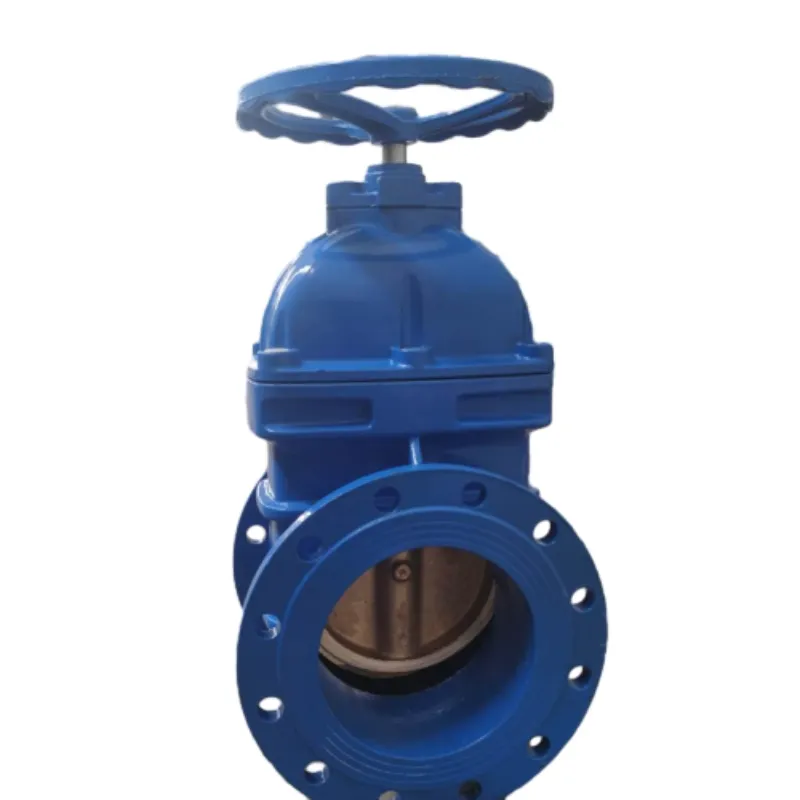
Water Control Valves Types and Their Applications Water control valves are essential components in various systems where the regulation of water flow is needed. These valves are designed to manage the flow, pressure, and liquid levels in various applications, ranging from residential plumbing to industrial processes. Understanding the different types of water control valves can help in selecting the right one for a specific application. In this article, we will explore the primary types of water control valves, their working mechanisms, and their typical uses. 1. Gate Valves Gate valves are traditionally used to start or stop the flow of water. They feature a wedge-shaped gate that moves up and down vertically to either block or allow fluid passage. Gate valves are best suited for applications where the flow needs to be fully opened or closed, as they do not effectively regulate flow when partly opened. Their ability to provide minimal pressure drop makes them ideal for pipelines and large-scale irrigation systems. 2. Globe Valves Globe valves offer precise flow regulation, making them ideal for applications requiring careful control of fluid movement. The valve has a spherical body and utilizes a movable disc to control flow. By adjusting the position of the disc, operators can finely tune the amount of water passing through. Globe valves are commonly used in heating systems, cooling systems, and other operations where flow needs to be throttled. 3. Ball Valves Ball valves are known for their quick operation and reliable sealing capabilities. They feature a hollow, perforated sphere (the ball) that rotates to control flow. When the ball is aligned with the valve body, water flows freely; when it’s perpendicular, the flow is completely shut off. Ball valves are often found in household plumbing, gas distribution systems, and various industrial applications due to their durability and ease of use. 4. Butterfly Valves water control valves types Butterfly valves are characterized by a rotating disc that regulates flow. They are lightweight, compact, and typically used in large diameter pipelines. The disc can be turned a quarter turn to fully open or close the valve, allowing for quick operation. Butterfly valves are commonly used in water distribution, chemical processing, and HVAC systems. Their design makes them efficient for throttling service, although they are not as precise as globe valves. 5. Check Valves Check valves, or non-return valves, are designed to prevent backflow in piping systems. They operate automatically, allowing water to flow in one direction while blocking reverse flow. This feature is crucial in applications where backflow can cause contamination or damage systems. Check valves are widely used in sewage systems, water treatment plants, and irrigation systems. 6. Pressure Relief Valves Pressure relief valves are safety devices used in water systems to prevent excessive pressure buildup. They automatically release excess pressure when it exceeds a predetermined level, protecting pipes and equipment from damage. These valves are critical in steam boilers, heating systems, and pressurized water networks. 7. Solenoid Valves Solenoid valves are electrically operated valves used for automatic control of fluid flow. When an electric current passes through a coil, it creates a magnetic field that moves the valve mechanism to either open or close the flow path. Solenoid valves are utilized in irrigation systems, water treatment processes, and industrial automation due to their precision and ease of integration with electronic controls. Conclusion In conclusion, water control valves are pivotal in managing and regulating water flow in various applications. Each type of valve has its own strengths and limitations, making it essential to select the right one based on the specific needs of the system. Whether you need a valve for starting and stopping flow, fine-tuning water pressure, preventing backflow, or ensuring safety against pressure buildup, there is a suitable valve type available. Understanding the characteristics and applications of different water control valves can lead to better system performance and longevity.
-

High quality industrial productsagement

High quality industrial products
View Details -

Meet the diverse needs of customers

Meet the diverse needs of customers
View Details -

Strict quality control

Strict quality control
View Details -

Top raw materials

Top raw materials
View Details -

Trusted supplier

Trusted supplier
View Details
Our application


news and information
Versatile and Durable Metal Angle Brackets for Adjustable Applications in Home and Industrial Projec
The Versatility and Utility of Adjustable Metal Angle Brackets In the world of construction and DIY
Valve Manufacturing Techniques for Enhanced Efficiency and Quality Control
valve factory .
Vanne de retenue à boule de 1% pour une performance optimale du système hydraulique
1 ball check valve .
 English